
When society envisions a sexual predator, cultural conditioning constructs a very specific, rigid archetype. The public looks for the lurking stranger, the aggressive male figure, or the powerful executive operating in the shadows. But what happens when the perpetrator fails to fit this narrow mold? What happens when the offender is a trusted female mentor, […]


When we talk about the safety of our children, our minds often gravitate toward a specific archetype: the predatory stranger in a dark alley. Yet, the most profound dangers often exist within the light of our own trusted circles. In the provocative and deeply researched work Unlikely Predators, author Lee Lucero argues that our greatest […]
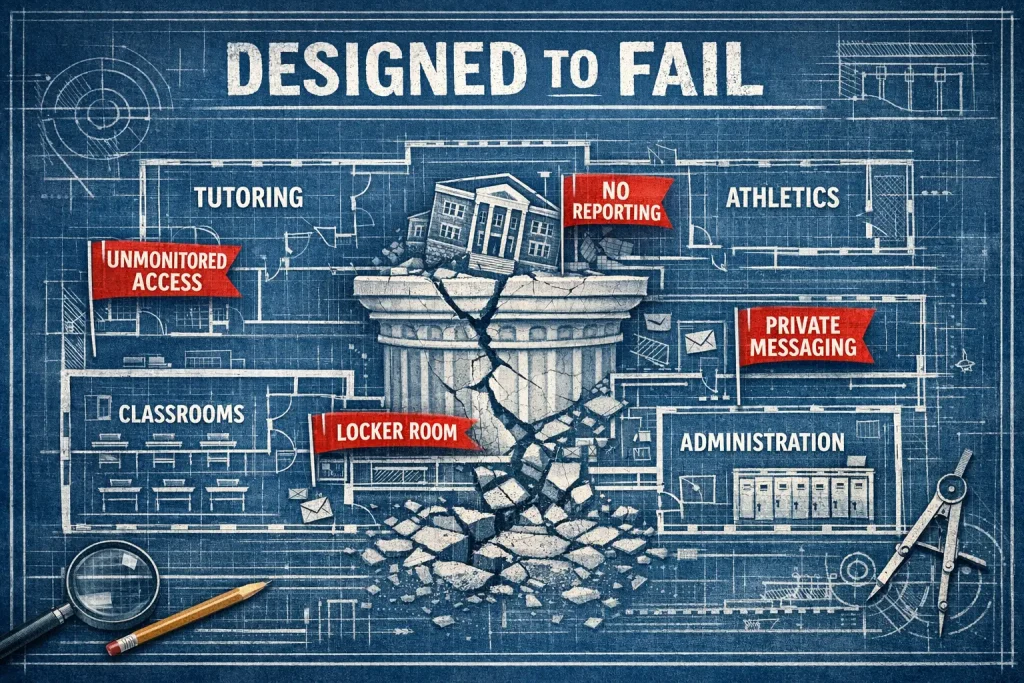
Each time a scandal surfaces, public is quick to react. Often, people depict disbelief, anger, and demand reforms. Yet, months later, many institutions quietly return to familiar routines. The problem is rarely a lack of policy, it is the illusion that policy alone prevents harm. (This is security theater like the TSA they put on […]

We are hardwired for pattern recognition. From childhood, the “villain” in our cultural narratives usually possesses a specific set of traits: physical dominance, aggressive posturing, and almost exclusively, a masculine identity. We teach our children about “stranger danger” through this narrow lens, creating a mental map of what a predator looks like. But in his […]

There’s a generation of Latino men — men like me, who were raised to believe that the safest way to succeed in America was to stop being Latino. Not entirely, of course. We could keep the tacos, the last name, maybe the music if it wasn’t too Latin. But the culture? The language? The pride? […]